
Contact sales
1800 986 5682
1800 986 5682




Security Training & Awareness
<p>Cybersecurity training and awareness programs educate employees on identifying and preventing cyber threats such as phishing, malware, and social engineering. These programs build a security-conscious culture, promote safe digital practices, and reduce human risk. Regular training, simulations, and policy education ensure employees actively contribute to protecting organizational data and systems.</p>
Cyber Security Training & Awareness Enquiry Form
Key Features

Cybersecurity Awareness Programs
<p>Delivers structured training sessions to educate employees on cyber risks, safe practices, and organizational policies. Covers phishing, password security, data protection, and social engineering. Builds a security-first culture, reducing human error and strengthening the organization’s overall defense against cyber threats.</p>
Phishing Simulation & Testing
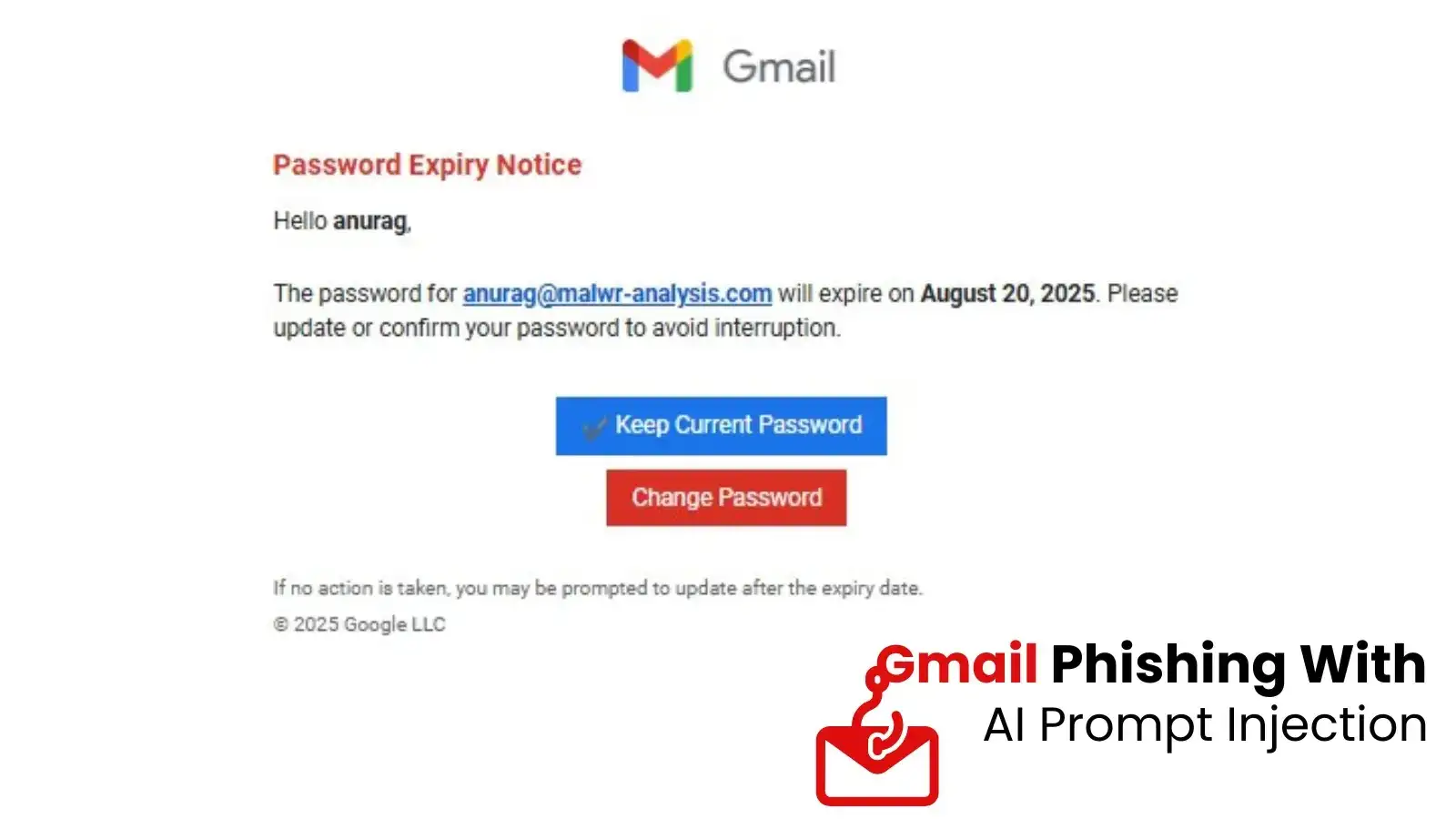
<p>Conducts simulated phishing campaigns to assess employee vulnerability to email-based attacks. Provides insights into user behavior and identifies high-risk groups. Helps improve awareness through targeted training, reducing the likelihood of real-world phishing breaches.</p>
Role-Based Security Training
<p>Offers customized training programs for different roles such as executives, IT teams, developers, and end users. Ensures each group understands relevant risks and responsibilities, enhancing security effectiveness across all levels of the organization.</p>
Secure Coding Training
<p>Trains developers on secure coding practices to prevent vulnerabilities like injection attacks, insecure authentication, and data exposure. Aligns with OWASP standards and promotes building secure applications from the development stage.</p>
Compliance & Policy Training
<p>Educates employees on regulatory requirements such as ISO 27001, GDPR, and DPDPA. Ensures understanding of internal policies, data handling practices, and compliance obligations, reducing legal and regulatory risks.</p>
Incident Response & Tabletop Exercises
<p>Conducts simulated cyber incident scenarios to test organizational readiness and response capabilities. Improves coordination between teams, enhances decision-making under pressure, and ensures effective handling of real-world security incidents.</p>
Cyber Security Training & Awareness